

Albany Father Fights for Deaf Son’s Right to Interpreter at Doctor’s Appointment
Steve Shepard, a resident of Albany, New York, is speaking out about the challenges he faced in securing an American Sign Language (ASL) interpreter…
Trump Administration Shuts Down White House Spanish-Language Page and Social Media
Within hours of President Donald Trump’s inauguration, the new administration took down the Spanish-language version of the official White House website. The website now displays…

Newsbriefs: January 30, 2025
ATA members keep current with this monthly e-newsletter, providing media coverage relating to their profession from around the world.

Video Game Localization: Q&A with Expert Marina Ilari (Part 1)
You’d like gamers around the world to play your video game… but how do you attract international players who speak different languages? Welcome to…
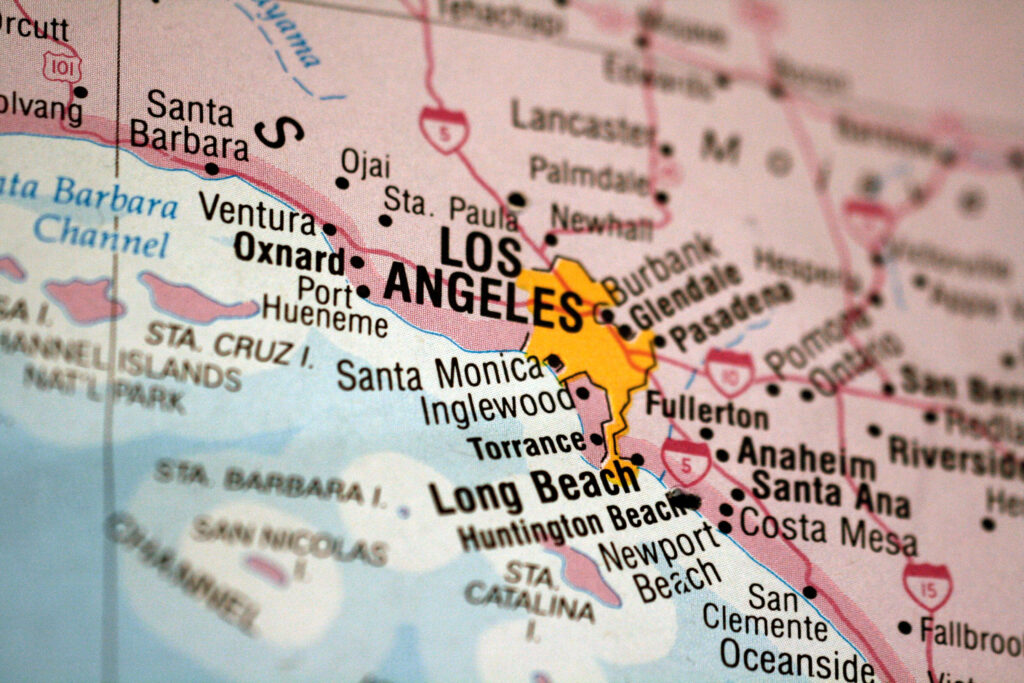
ATA Shares Resources for Those Affected by the LA Wildfires
Many ATA members, their families, friends, and communities have been impacted by the unprecedented, devastating, and ongoing catastrophe in the Los Angeles area. Our…

ATA to Host Free Virtual Event on Best Practices in Emergency Response Language Services
The American Translators Association (ATA) is proud to announce a groundbreaking virtual event, Best Practices in Emergency Response Language Services, set to take place…

Bridging the Gap: How ALC Bridge Is Connecting Academia and the Language Services Industry to Ensure a Sustainable Talent Pipeline
With demand for translation, interpreting, localization, captioning, dubbing, consulting, and other specialized services skyrocketing, the need for skilled professionals has never been greater. However, despite the growth in demand, the pool of adequately trained talent is falling extremely short. Here’s a brief overview of how the Association of Language Companies (ALC) Bridge initiative engages with academia to close the talent gap in the language services industry.

Turning Raw Data Into A Story
The world is full of data. Interpreting it in a way that tells a story can be a powerful means to communicate complex ideas. Let’s explore how interpreters can use data to tell compelling stories that engage audiences and convey important messages related specifically to interpreting and translation.

The Safe AI Task Force
In just over a year, the SAFE AI Task Force has made significant progress in addressing the challenges and opportunities presented by generative AI in the interpreting profession. Our achievements are part of a broader, surprisingly swift, global response to AI technologies. As organizations worldwide have worked to establish guidelines and guardrails, we’ve positioned ourselves as an important voice representing the unique concerns and priorities of the interpreting community.

Translated Intercept Evidence: A Role for Artificial Intelligence
Rapid advances in machine translation are significantly impacting the translation and interpreting professions. This article discusses the implications of using artificial intelligence in the specialized field of forensic transcription/translation.

The Body Speaks: The Interpreter’s Nonverbal Communication in the Courtroom
This article explores the often-overlooked role of interpreters’ nonverbal communication in the courtroom. It examines how body language influences interactions, communicates bias, and affects judicial outcomes, offering strategies for maintaining neutrality.

BLEU + COMET = MATEO: Automatic Translation Quality Evaluation Tools for Freelancers
Developed by a group of researchers at Ghent University in Belgium, MAchine Translation Evaluation Online (MATEO) is an application with an easy user interface that allows anyone to estimate the quality of several candidate translations with any or all automatic metrics.