
Translation and Educational Publishing: Creating Language Access in Education

Supporting families starts with access. When students bring home a book or a school letter that families can read in their own language, something powerful happens. Families connect more deeply with what their children are learning.
But what happens if a story exists yet isn’t accessible? What if a family can’t read it, or a child can’t hear it in their own language? These are key questions about language access in education. They remind us that every family should be able to experience the power of story and learning together. Translation ensures family members’ voices are not lost.
Translation bridges the gap between home and school and is more than converting words from one language to another. Translation opens doors to understanding, trust, literacy, and participation.
Why translation in education matters
Language access is a foundational tenant of equity. When families can read school communications and educational materials in their home language, they can support their children’s learning with confidence.
Schools that communicate with families in their home languages build relationships grounded in trust and respect. These relationships help improve student outcomes and strengthen the connection between home and school.
Research shows that when schools provide materials in families’ home languages, students demonstrate stronger reading growth and families become more engaged in their children’s learning (WIDA, 2023).
Translation makes sure that no parent or caregiver is left out of the learning process. It helps families understand expectations, follow lessons, and participate in school life.
When translation is part of a school’s foundation:
- Families feel informed and included
- Teachers can focus on teaching instead of trying to work around untranslated materials
- Students receive consistent support at home and school
- Communities grow stronger through shared understanding
For administrators, investing in translation should not be just about compliance. It should be about building schools where every family has access to communication and learning.
Bilingual Books and Educational Publishing: Expanding Language Access
Children’s books are often a child’s first encounter with literacy, imagination, and identity. When written stories are available in a family’s home language, they forge meaningful connections between home and school.
Bilingual books allow students to see themselves and their families represented in the stories they read. They also help parents participate in their children’s learning, even when English is not their first language.
Providing bilingual books encourages reading at home and supports early literacy. It also helps students strengthen vocabulary and comprehension across languages.
When schools invest in bilingual children’s books:
- Literacy increases in both languages
- Cultural pride and belonging also increase
- Families share in their children’s learning
For more on translating children’s literature, visit Should I Translate My Children’s Book into Other Languages?
Bilingual literature and educational publishing together show every child that their language matters and belongs in the classroom.
Educational Publishing and Access for All Families
Educational publishing continues this work by creating materials that support language access throughout entire learning programs. When bilingual guides, lesson plans, and take-home resources are written or translated with care, they bridge communication gaps that exist between teachers and families.
Publishing bilingual and multilingual materials ensures that teachers and families have access to the same high-quality content that others do. When translators and publishers work together, every guide, letter, and resource becomes more consistent, accurate, and accessible.
This collaboration supports teachers in delivering lessons that all families can follow and helps parents feel more connected to what their children are learning.
Educational publishing that prioritizes translation helps schools ensure that every family can succeed. It gives every household the opportunity to engage with learning materials in the language they understand best.
Language Access Strengthens Communities
When families can understand and take part in their children’s education, they feel more connected and confident. Language access builds strong partnerships between schools and families and helps teachers communicate more effectively.
Schools that prioritize language access see:
- Stronger family engagement
- Better literacy and learning outcomes
- More connected school communities
When children see their home language in books and materials, they feel proud and supported. That sense of belonging helps them grow in confidence and strengthen their identity.
For school administrators and stakeholders, this is where the real impact begins. Supporting translation and bilingual educational publishing is not just about language. It’s about access, equity, and connection. By making language access in education a priority, schools can ensure that every voice is heard, every story is shared, and every family belongs.
Author bio:
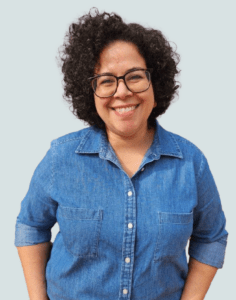
Carolin Menéndez is an English-to-Spanish translator and editor with over twenty years of experience in the language industry. She specializes in educational translation and editing and is an editorial consultant for Scholastic, where she translates and edits materials for teachers and families. Carolin also provides interpretation services in schools and owns Prose Language Services.

Subscribe to The ATA Compass
Connect with The ATA Compass
Recent Posts

What is a Certified Translation?
What are the basics of a certified translation? In the United States, anyone can certify a translation. A translator does not need to be certified in order to provide a…

Why Should I Hire a Professional?
It takes more than just the ability to understand two languages. Professional translators and interpreters have the education, experience, and expertise to understand the nuances in one language and transfer…

Why You Should Use a Certified Translator or Interpreter
Choosing a Certified Professional is the Smart Choice A certified translator or interpreter ensures effective, accurate, and culturally sensitive communication that truly bridges the gap between languages and cultures. Accuracy…
Find a Translator or Interpreter Near You
Searching for a Nearby Translator or Interpreter? Whether you require accurate document translations, real-time interpreting for an event, or specialized industry expertise, finding the right professional near you has never…

Language Services Directory
Start Your Search ATA’s Language Services Directory includes a list of all ATA members of individuals, as well as companies. Need help finding the right professional? Professional translators and interpreters…
The ATA Compass
Want to reach more customers, grow your business, and improve your bottom line? The ATA Compass publishes articles and provides resources to show you how language professionals can help you…