

Shohei Ohtani’s Japanese Interpreter Under the Microscope
Interpreting, ethics, and the importance of professionalism in language access Given that language professionals often work behind the scenes, it’s uncommon for the outside…

Using AI for Translation: (When) is it Safe?
If you’re a translation buyer, you’ve probably heard a lot of buzz lately about the artificial intelligence/machine translation (AI/MT) boom. No question about it,…

Translation Associations Address use of Automated Translation Printers in Public Schools
The American Translators Association (ATA), together with the American Association of Translators and Interpreters in Education (AAITE) and the National Association of Educational Translators…

The Case Against Raising Your Translation Rates In 2024 (and why it doesn’t hold water)
This post is an updated version of article that originally appeared on the LION Translation Academy blog. It is published here with permission of…

Newsbriefs: March 26, 2024
ATA members keep current with this monthly e-newsletter, providing media coverage relating to their profession from around the world.

Which Spanish Variant Should You Choose for Your Translation?
The Spanish language is as beautiful as it is diverse. It’s a global language with an estimated 500 million native speakers and is the…

Managing Your Freelance Client Portfolio
This post is a reblog, originally published in the Slator Tool Box. It is reprinted here with permission of the author. An agency that…

Oh BOI, oh BOI! New Beneficial Ownership Reporting Requirements for Small (and Large) Businesses
BOI is short for Beneficial Ownership Information, meaning, information about who actually owns or controls a company. On January 1, 2024 a new Federal…

Brave New World: AI and Interpreting
AI has been present for some time in the T&I professions, and there is little to no risk of it disappearing. But the fact remains that both the ethical standards and the laws pertaining to AI use in general, and specifically in the field of language access, remain absent but sorely needed.

How Does ATA’s Nominating Process Work?
Why is ATA interested in leadership development for its Board and potential future candidates?
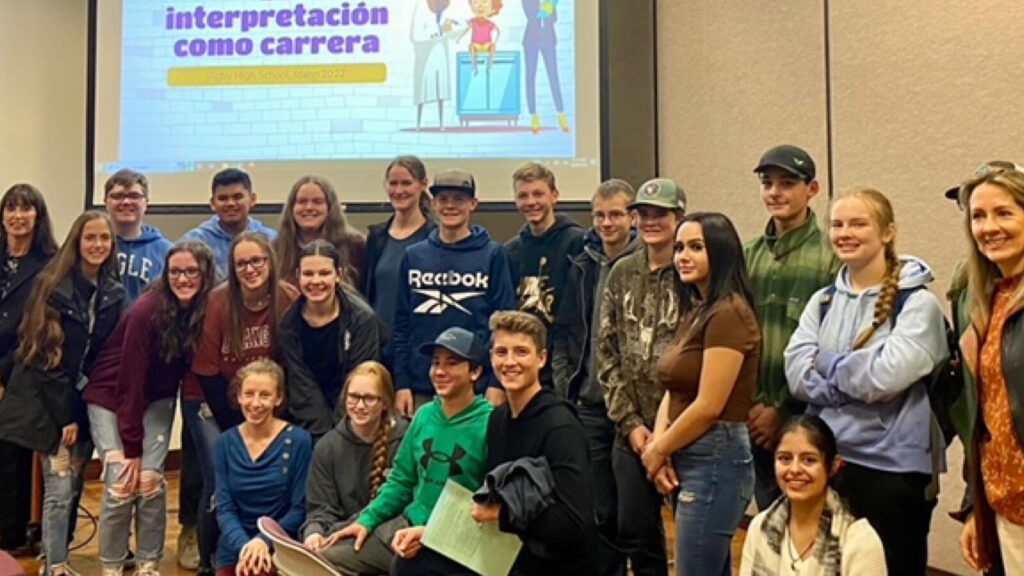
School Outreach Contest Winner: Fátima Cornwall
When a Rigby High School teacher was contemplating taking her 10th grade Spanish students on a field trip to Boise State University and had asked for an activity for her students, Fátima Cornwall, this year’s ATA School Outreach Contest winner, immediately had an idea. She prepared a special presentation that revolved around using Spanish for specific purposes, and more specifically medical interpreting.

Extraditions: Concepts, Research Techniques, and Terminology
Cases involving extraditions pose particular challenges for translators and interpreters. Proper language transfers require researching bilateral international treaties and the domestic laws of the respective countries. Understanding the extradition process is also key to ensuring adequate communication, and proper terminology normalization regarding legal principles often requires researching the writings of legal scholars. Careful research contributes to a useful product that helps lead to a just outcome for all parties involved.