
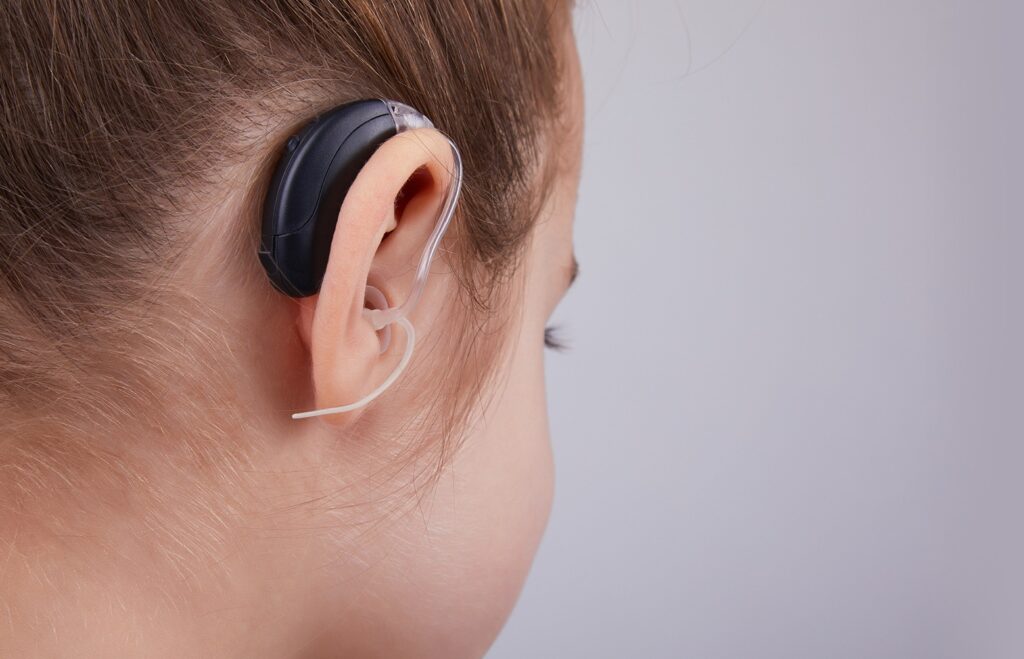
Hard of Hearing Children and Dual Language Learning: Guidelines for Interpreters
Interpreters play a key role for hard of hearing future multilinguals as they receive services from audiologists and speech-language pathologists. As interpreters, we bring our creativity into the session to find solutions, working as a team with the provider to ensure the best possible intervention for the patient. How can interpreters complement and aid other professionals in their tasks? How do we help families along this journey without making it our own? Here’s some advice that stems from my experience and that of other professionals in the field.

Which iPad Is Best for Interpreting?
ATA Members-Only Content This content is an exclusive benefit for ATA members. If you are a current ATA member, log in for immediate access.…
Interpreting in Rural Communities
Language access services that provide community interpreting remain concentrated in urban centers. As such, rural communities must rely upon remote access, a model that fails to account for the cultural specificity of rural life and livelihood. How are interpreters in rural communities adapting to meet the increased need for language access?
Dynamic Duos: How Interpreters and Speech-Language Pathologists Collaborate to Serve Children with Disabilities
Interpreting and speech-language pathology are professions centered in language and communication. So, what happens when these worlds meet? Learn how speech-language pathologists and interpreters in Minnesota have collaborated with the Minnesota Department of Education to develop dynamic training workshops to help language professionals serve linguistically diverse school districts.

Creating Interpreting Price Quotes for the New Normal
ATA Members-Only Content This content is an exclusive benefit for ATA members. If you are a current ATA member, log in for immediate access.…

The Orange County Department of Education Multilingual Consortium: A Clearinghouse for Educational Interpreters
California’s Orange County Department of Education has spearheaded efforts to provide continuous professional learning opportunities for bilingual staff in educational settings nationwide. Learn how a robust language services program strategically addressed the challenges and effectively capitalized on the opportunities presented by the pandemic.

Spoken Language Interpreter Job Description: Excellent Resource for Clients and Employers
The Spoken Language Interpreter Job Description, authored by Norma Andrada, Heidi Cazes, Helen Eby, Julia Poger, and Rafael Treviño, might be called a job…

Advocacy in Pennsylvania: Court Interpreters Win Fair Compensation
Earlier this year, when the Administrative Offices of the Pennsylvania Courts announced plans to reduce pay for remote interpreting by 50%, ATA joined the…
Chuchotage—Separating Fact from Fancy: A Film Review from an Interpreter’s Perspective
ATA Members-Only Content This content is an exclusive benefit for ATA members. If you are a current ATA member, log in for immediate access.…

E68: Inside Specialization – Medical Interpreting
Learn about the skills, training, and commitment needed to work in the very personally rewarding field of medical interpreting.

ATA Position Paper on Remote Interpreting
ATA’s position on Remote Interpreting Remote interpreting is used in place of on-site interpreting whenever qualified interpreters in the languages needed are unavailable or…
ATA Urges Administration to Prioritize Evacuation of Afghan Interpreters and Their Families
The American Translators Association (ATA) has written letters to President Biden and other administration officials urging Congress to immediately prioritize the evacuation of Afghan…